


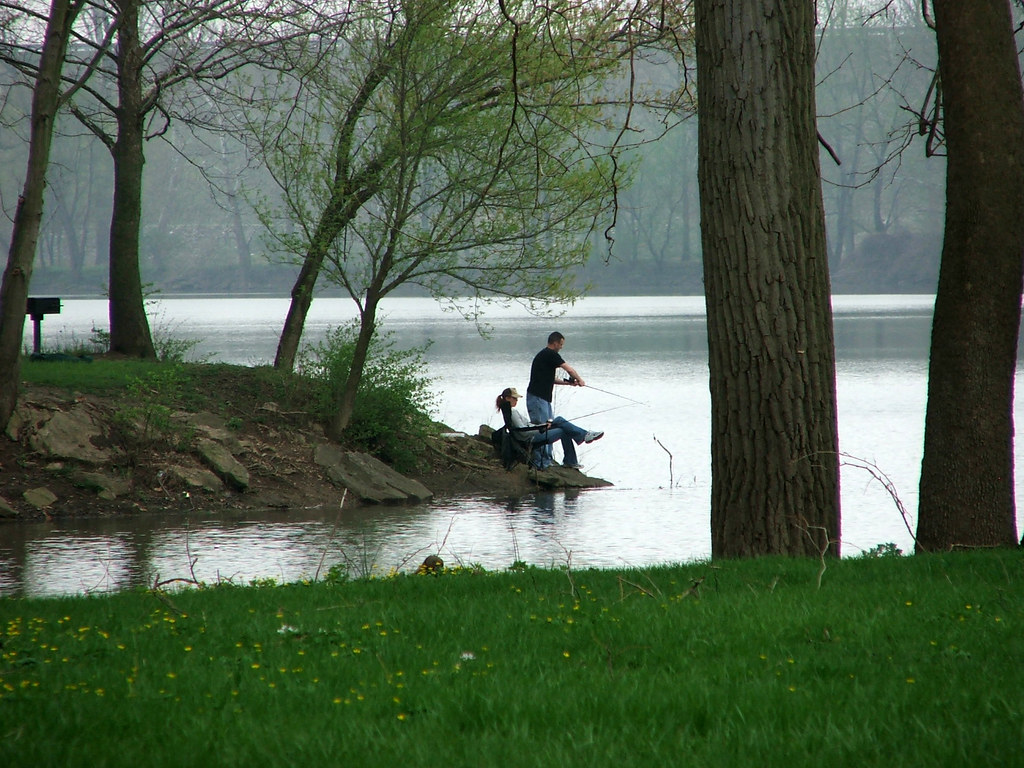
The Great Miami River Watershed isn't just a river system — it's home to four major fishing lakes (Indian Lake, Lake Loramie, C.J. Brown Reservoir, and Acton Lake) plus dozens of smaller gravel-pit lakes and metropark ponds across its 15 counties. Anglers here can fish lake structure for saugeye and crappie one day, then wade river shoals for smallmouth bass the next, all inside the same 3,900-square-mile drainage basin in southwest Ohio.
Ask a Colorado angler what kind of fishing they do and they'll probably ask you which mountain range you mean. Ask a Southwest Ohio angler the same question, and the honest answer is: it depends on the day, because we've got both. This region is one of the rare places in the Midwest where you can chase river smallmouth on a rocky shoal Saturday morning and be trolling for saugeye off a lake point by Saturday afternoon, without ever leaving the same basin.
That's not a marketing line. It's geography. The Great Miami River Watershed drains about 3,900 square miles across 15 counties in southwest Ohio, and within that basin sit dozens of lakes and ponds that might get overlooked by anglers who assume "watershed" means "river." It doesn't. It means everything that drains toward that river — including four reservoirs that rank among the best inland fishing destinations in the state, plus a whole tier of smaller lakes, gravel pits, and metropark ponds that never make the "best of" lists but fish just as well.
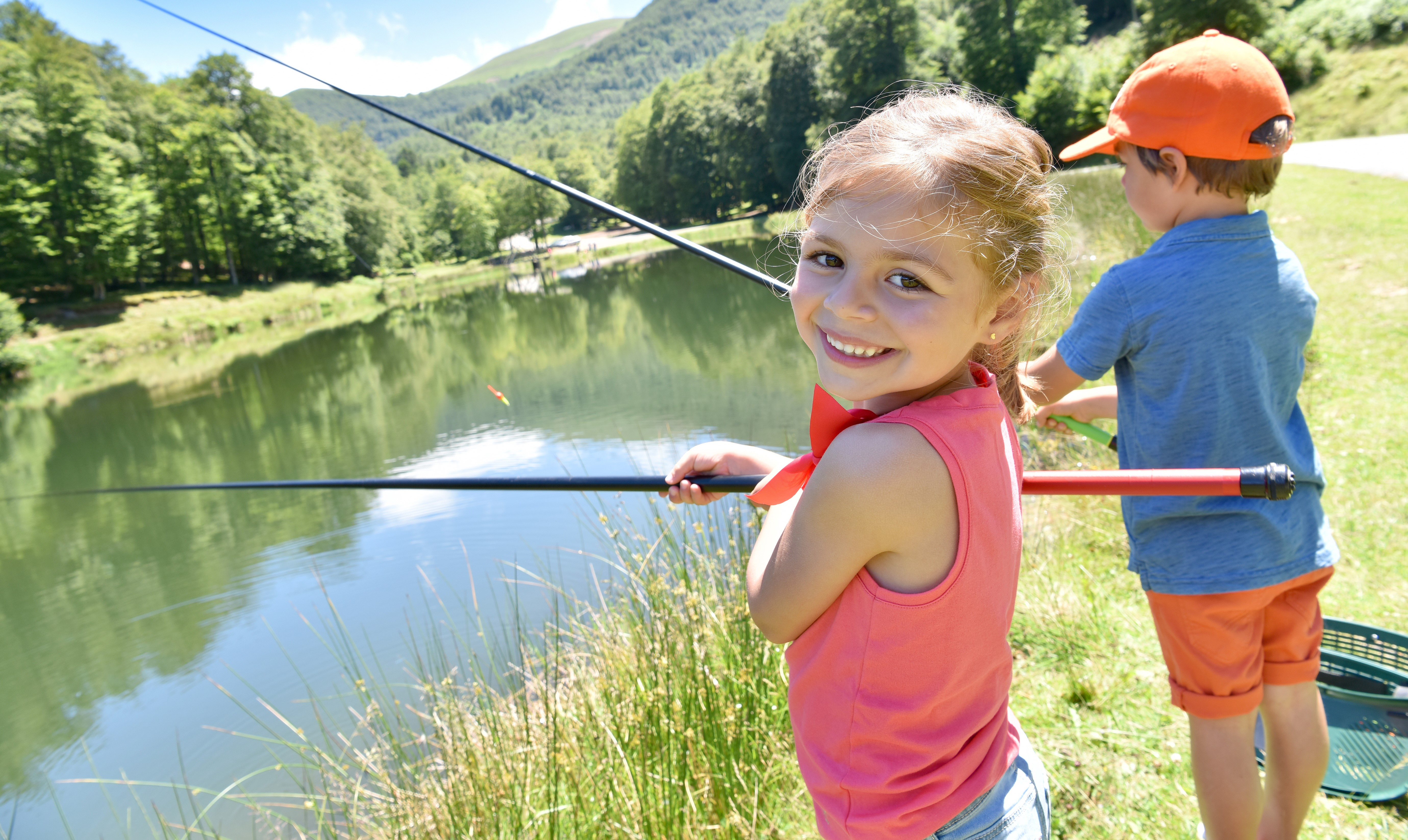
Indian Lake (Logan County) is where the Great Miami River technically begins — the river flows out of this 5,100-acre reservoir. Built originally as a feeder lake for the Miami & Erie Canal, Indian Lake has become one of Ohio's premier saugeye fisheries. In 2024 it led the state in Fish Ohio saugeye submissions (fish 21 inches or longer), and gill-net surveys have shown strong numbers of saugeye pushing toward 18 inches. Crappie here run big too — both black and white crappie in the 14–16 inch range aren't unusual. Add largemouth bass, white bass, bluegill, yellow perch, and catfish, and you've got a lake that rewards nearly every style of fishing.
Lake Loramie (Shelby/Auglaize counties) sits about 1,655 acres and, like Indian Lake, started life in the 1840s as a Miami & Erie Canal reservoir. It's a no-wake lake — no speed limits on horsepower, but everyone idles — which makes it a quieter, more contemplative place to fish, except for one designated speed area at the west end. It's known for excellent catfish action, plus crappie, bluegill, bullhead, carp, and fair numbers of largemouth bass, with four fishing piers around the shoreline.
C.J. Brown Reservoir (Clark County), inside Buck Creek State Park near Springfield, impounds Buck Creek, a Mad River tributary. At nearly 2,000 surface acres and 50 feet deep at the dam, it's one of only nine Ohio reservoirs in ODNR's official muskellunge stocking program — muskies have been stocked here since 2018, and fish over 30 inches, with some reaching the 42-inch 'huskie muskie' mark, are already being reported. On top of the musky program, it's rated excellent for channel catfish, with very good walleye and good bass, bluegill, and crappie fishing.
Acton Lake (Preble/Butler counties), inside Hueston Woods State Park, is smaller — 590 to 642 acres, dammed on Four Mile Creek in 1956 — but punches above its weight. It's rated excellent for largemouth bass (with fish surveyed up to 22 inches and 15 years old) and bluegill, and good for saugeye, crappie, and channel catfish. Motors are capped at 10 horsepower, so it stays calm, which is part of why bass fishing here is so consistently productive.
Four very different lakes, four different personalities, all sitting inside the same watershed as the river system most people know this region for.
Beyond the four big reservoirs, the basin is full of smaller lakes and ponds that don't show up on "best lakes in Ohio" lists but produce real fish close to home — many of them former gravel mining pits that got a second life as fisheries.
Eastwood Lake and Blue Lake (Dayton, Eastwood MetroPark) are the clearest example. Both are remnants of old gravel mining operations along the Mad River, and both are fed by the river itself. Eastwood Lake is 185 acres, stocked with saugeye, bass, and large bluegill, and is open around the clock for fishing (though not boating) from April through October. Blue Lake, tucked at the back of the park, is smaller and deeper, ringed with trees, and known among locals for holding surprisingly good bass for its size — a canoe or kayak is the best way to fish it. The Mad River itself runs right through the park, including the engineered Mad River Run whitewater feature, which also created deep holding water where fish stack up out of the current.
Taylorsville MetroPark and Englewood MetroPark, both on Miami Conservancy District land, add more small-water options. Taylorsville's Poplar Creek Ponds hold catch-and-release bass and stocked rainbow trout, alongside direct Great Miami River access for smallmouth, largemouth, panfish, and catfish. Englewood MetroPark, built around the Stillwater River, has fishing ponds in its north section that have turned up largemouth bass surveyed at more than 6 pounds — locals who've fished it since it was still an active gravel pit will tell you the bass have only gotten better with age. Martindale Road Pond, also in Englewood, is the go-to spot in the MetroParks system for crappie numbers.
Tawawa Lake and Amos Lake (Sidney, Shelby County) sit inside 220-acre Tawawa Civic Park in the upper watershed, fed by Tawawa Creek. ODNR stocks Tawawa Lake with rainbow trout every spring as part of its statewide put-and-take program, and the lake also holds largemouth bass, bluegill, crappie, channel catfish, and carp. It's small, it's inside city limits, and it's exactly the kind of lake most people drive past without knowing it's there.
None of these are destination lakes in the way Indian Lake or C.J. Brown are. But that's the point — they're proof that the "lake fishing" side of this watershed isn't limited to the big four reservoirs. It's baked into the region at every scale, right down to a gravel pit behind a city park.
Fishing these lakes is a different discipline than fishing the river, and neither is "better" — they're just built on different logic.
Lake fish relate to structure that doesn't move: drop-offs, creek channels, submerged timber, docks, brush piles, road beds drowned when the reservoirs were built. You're not reading current, you're reading a map — and a good depth finder or a lake contour map does more for you here than anywhere on the river. Saugeye at Indian Lake sit on sandy bars and drop-offs into old river channels, and anglers work them with trolled spinners, live bait, and deep-diving crankbaits, or slow-roll jigs after dark. Crappie stack up around brush and stumps. Catfish at C.J. Brown migrate toward incoming water in spring and hold on rocky banks in summer.
The rhythm is different too. Lake fishing rewards patience and pattern-recognition — finding the thermocline, finding where the baitfish are stacked, working the same stretch of drop-off methodically until you locate the school. It's often a slower, more social style of fishing: piers, pontoons, evenings on the water waiting for the dusk bite to turn on. Ice fishing is a real, viable season here too — Indian Lake and Lake Loramie both get fished through the ice in winter, something the free-flowing rivers never offer.
The rivers that give the watershed its name — the Great Miami, the Stillwater, and the Mad — are a completely different sport, and this region happens to have some of the best of it in Ohio.
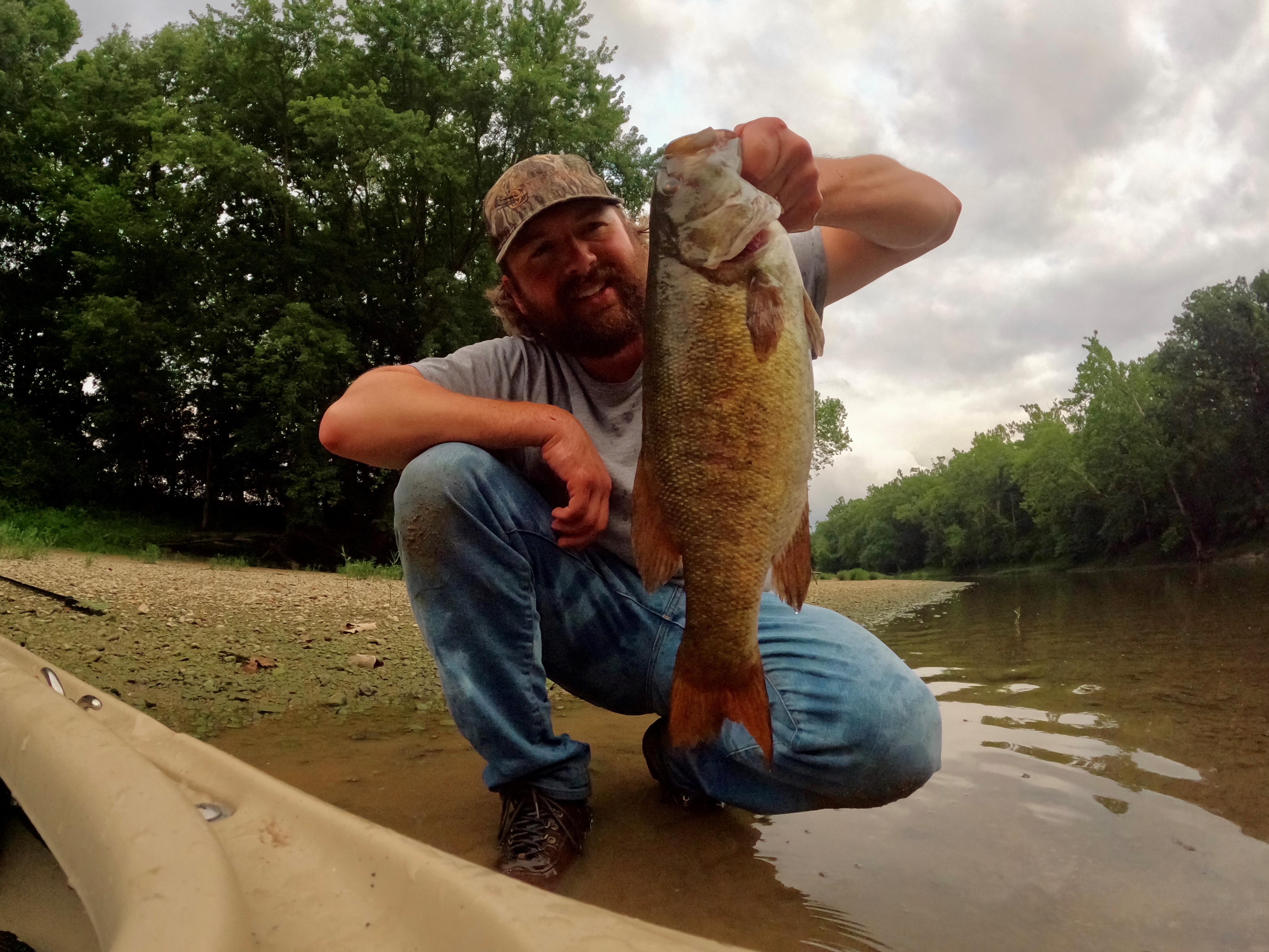
The Great Miami River is considered one of the best smallmouth bass fisheries in the state, with fish up to 20 inches and 6 pounds coming out of its riffles and shoals. The Stillwater River is a state-designated Scenic River, recognized for exceptional water quality, and holds smallmouth, rock bass, and channel catfish in clean, free-flowing water. The Mad River is the outlier of the whole system — one of Ohio's only coldwater streams, spring-fed and cool enough that ODNR stocks it with brown trout year-round, making it one of the state's rare trout streams and a genuine fly-fishing destination.
River fishing here means reading moving water instead of static structure: seams where fast water meets slow, current breaks behind boulders, riffle-run-pool sequences, gravel bars. Smallmouth bass in current fight differently than lake fish — they use the current itself as a weapon, and that "strong fighting spirit and acrobatic leaps" reputation the Great Miami is known for comes directly from fish that have spent their whole lives pushing against flow. You're wading or floating instead of anchoring; you're covering water instead of waiting it out. It's a more physical, more mobile style of fishing, and the six connected rivers and streams of this system — Great Miami, Stillwater, Mad, Twin Creek, Greenville Creek, and Buck Creek — form one of only 35 federally designated National Water Trail systems in the country, and the only one in Ohio.
Neither style is the upgrade path from the other. Lake fishing here means saugeye sliding across sand flats in low light, crappie stacked in timber, catfish holding on a creek channel wall you can only see on sonar. River fishing means smallmouth exploding out of a riffle, trout holding in spring-fed current under a canopy, current seams you have to learn by feel over a season of floats.
What makes the Great Miami River Watershed genuinely unusual is that you don't have to pick a lane. Four major lake fisheries, a scattering of gravel-pit and metropark ponds, and three nationally designated river trails all sit inside one 3,800-square-mile drainage basin in southwest Ohio. Most anglers spend a lifetime specializing in one style because that's what their region offers. Here, it's a twenty-minute drive between disciplines — and sometimes it's just a different pond in the same park.
Other Resources
ODNR fishing maps https://ohiodnr.gov/discover-and-learn/land-water/inland-lakes/fishing-lake-maps

