


Capital Improvement Projects

The Miami Conservancy District is working to improve the integrated flood protection system so communities continue to stay safe. The flood protection system has stayed strong for over 100 years; Without improvement, there is an increased risk of failure and threat from catastrophic flooding. It now requires reinvestment to continue to protect communities from destructive flooding.
Each year, The Miami Conservancy District reports on the progress of improvements and needs of the system, as required by state law to the Conservancy Court. Detailed summaries of ongoing capital projects and other maintenance activities can be found in our annual reports.
Learn more: History of MCD | Great Flood of 1913 | Funding | Governance | Annual Reports
Built for a Different Era, Ready for Renewal
When the Miami Conservancy District dams were first built, the Ford Model T was America’s best-selling car. Geotechnical engineering didn’t exist, nor did air-entrained concrete. The massive outlet walls—some towering 78 feet high—were constructed without reinforcing steel or keyways between blocks. While the system has served remarkably well for more than a century, modern technology and materials are now essential to reduce risks tied to its outdated design.
These structures have also weathered the elements every single day for more than 100 years. Concrete and steel, like all materials, have a limited lifespan. Without sustained investment, deterioration will accelerate.
The Capital Plan: 2025–2032
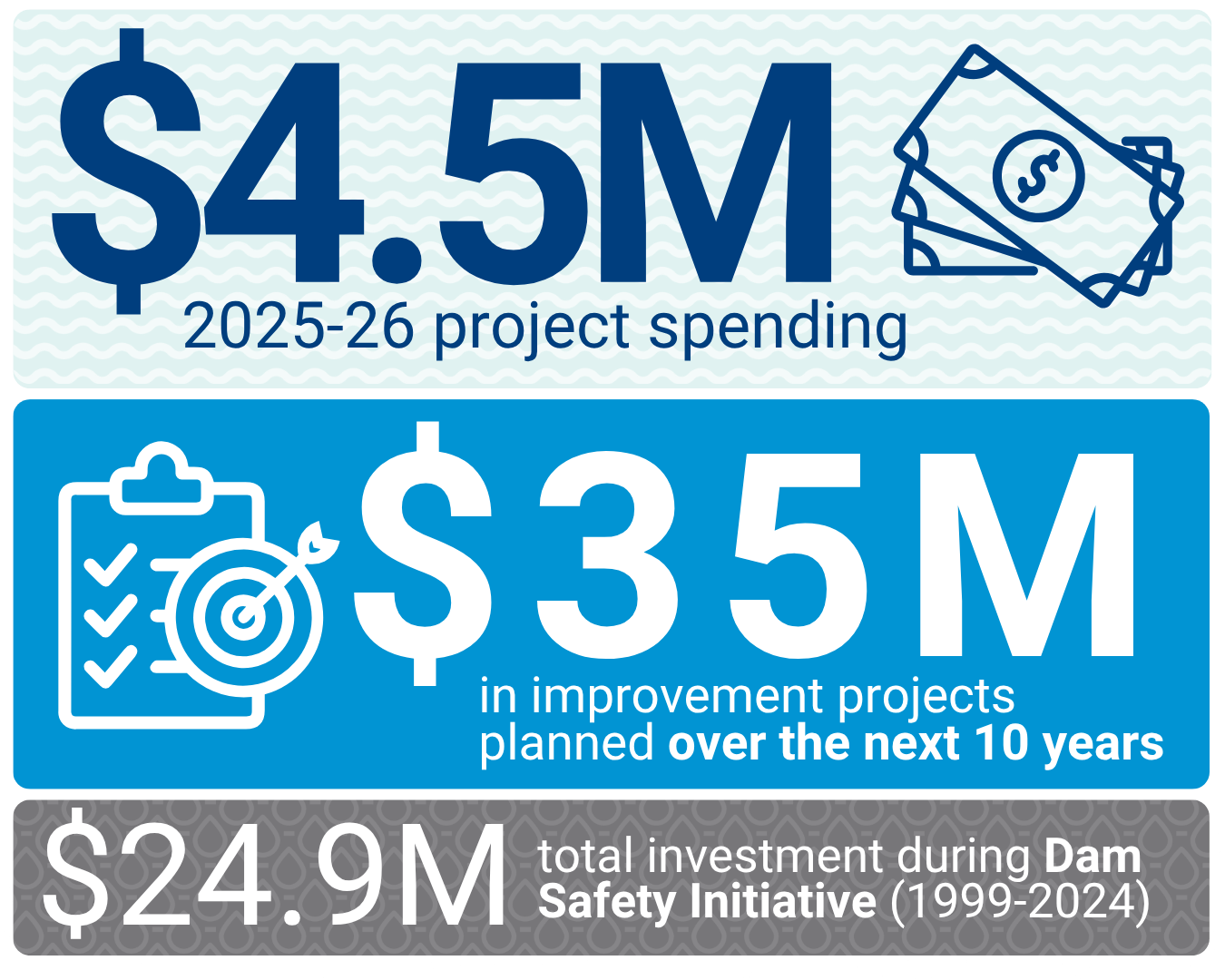
In response, MCD has a phased Capital Improvement Program, beginning with a $34.5 million Phase 1 investment through 2032. The plan prioritizes critical repairs, modernizes risk management, and lays out funding strategies to ensure the Miami Valley remains protected.
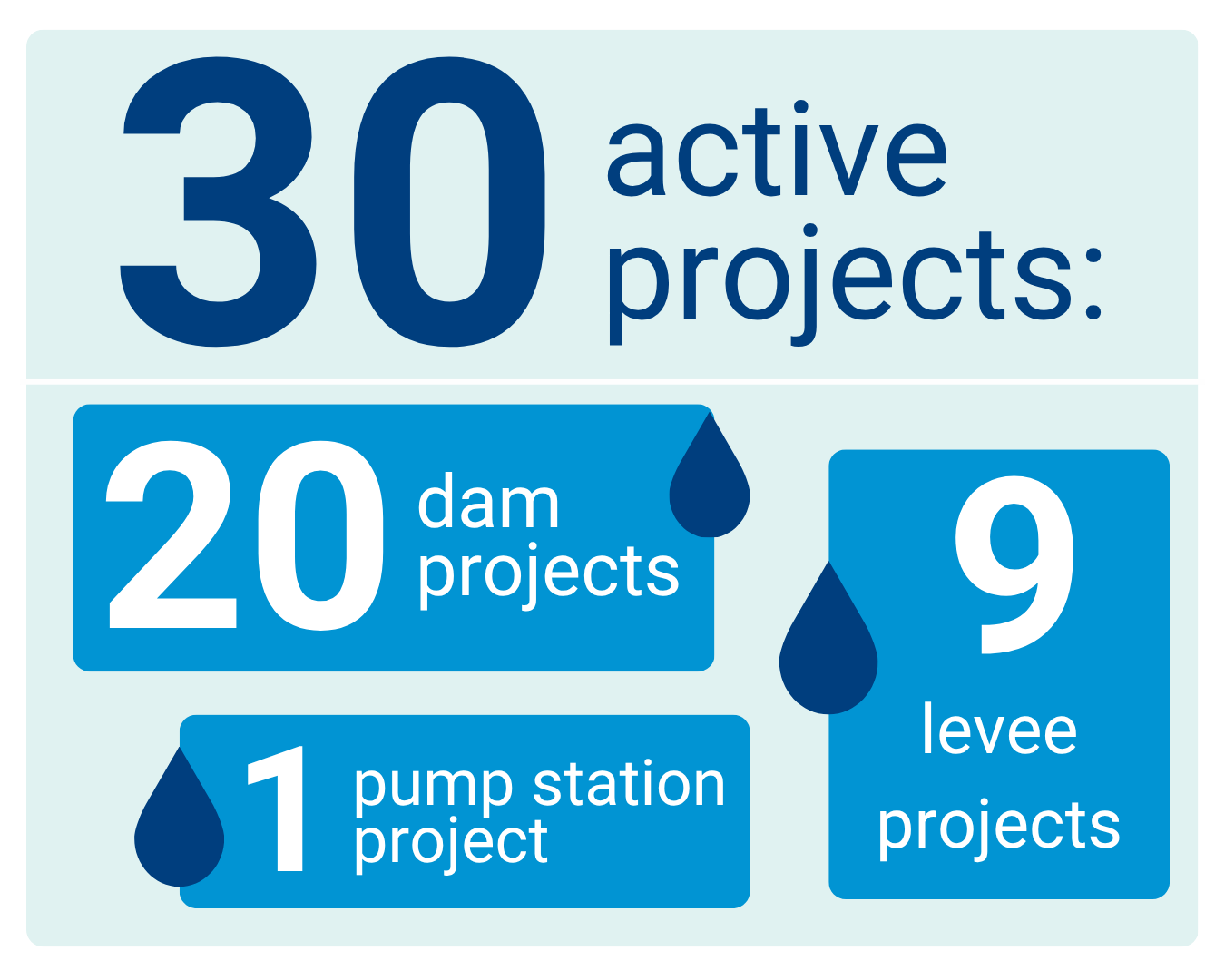
- Prioritize projects using rigorous monitoring, inspections, and risk analysis.
- Develop strategies to ensure a high level of protection.
- Pursue diverse funding opportunities such as grants and low interest loans to reduce the burden on local communities.
- Inspections by regulatory agencies resulted in reports that require the Miami Conservancy District to make necessary repairs and maintenance to all dams immediately.
- The levees of the Miami Conservancy District are subject to the costly, federally mandated FEMA accreditation process, but there is no adequate funding source.
Types Of Improvements Needed
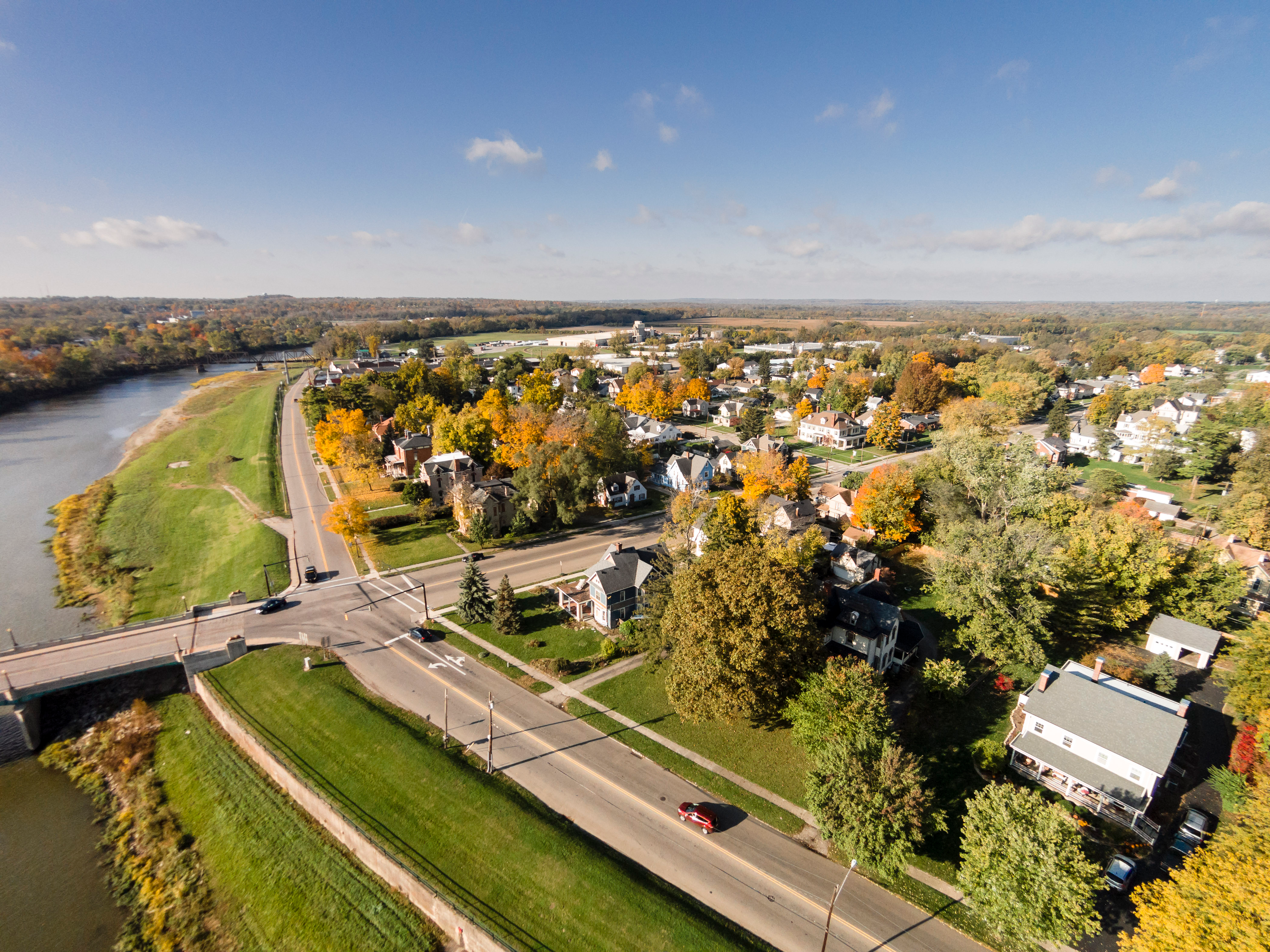
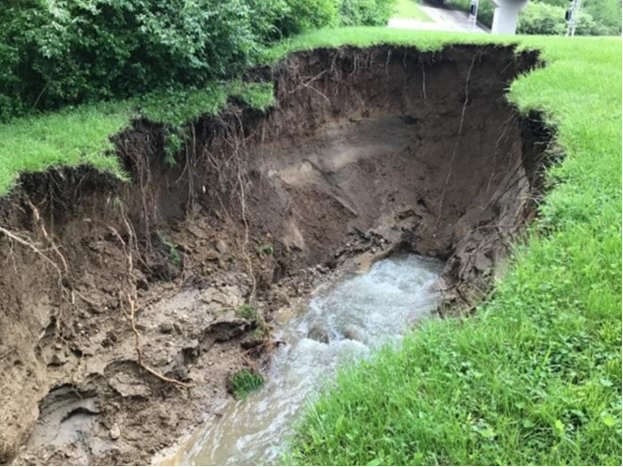
After more than a century and over 2,100 flood events, our dams and levees are showing their age. Without critical repairs and renewed investment, the system that has safeguarded our communities could fail when we need it most. Capital improvement is essential to protecting our region for the next century.

Risks To The System
The dams, levees, and other parts of the flood protection system have worked harder and stored more water in recent decades, resulting in more stress on the system.
Weather Trends
Average precipitation has steadily increased. More frequent high water events mean the dam and levee soils are saturated more often and exposed to more frequent erosive forces and hydraulic pressure. Catastrophic flooding is occurring more frequently across the U.S.
Outdated Funding Model
A Record Of Success:
The Dam Safety Initiative (1999-2025)
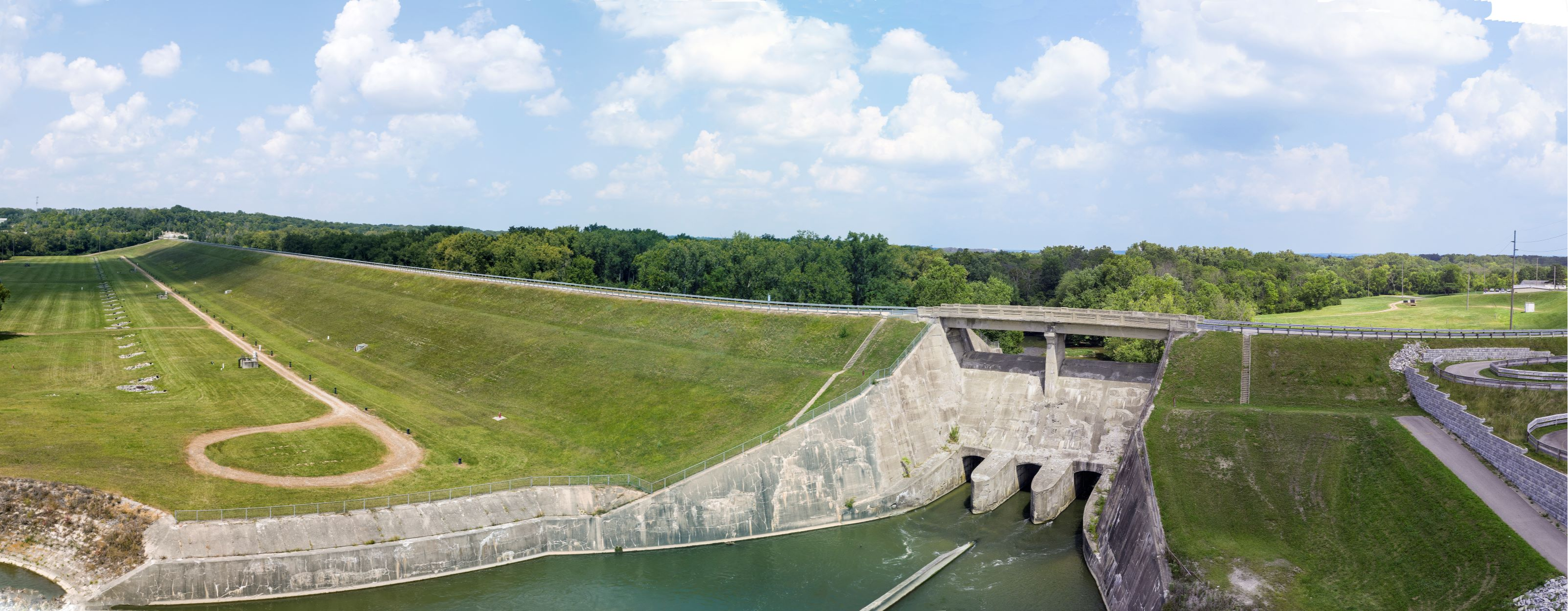
The Dam Safety Initiative (DSI) was a capital assessment that expired in 2022. The total amount authorized to spend on dam safety through 2025 projects was approximately $34M. The DSI was authorized to address a limited scope of high-risk concerns related to dam underseepage, crest permeability, and concrete deterioration. MCD has no long-term funding since the DSI expired.
Miami Conservancy District managed the analysis, design, and construction of dam safety projects to improve the safety of the flood protection system including:
- Installed over 208 relief wells to control threat of underseepage at all five MCD dams
- Placed impervious material at the crest of three dams to protect against seepage
- Rehabbed concrete and walls at Lockington Dam to improve stability
- Improved floodgates, revetment, and floodwalls in multiple cities
Miami Conservancy District also secured grants from the Federal Emergency Management Agency (FEMA) using the DSI funds as matching dollars.
